- INTRODUCTION
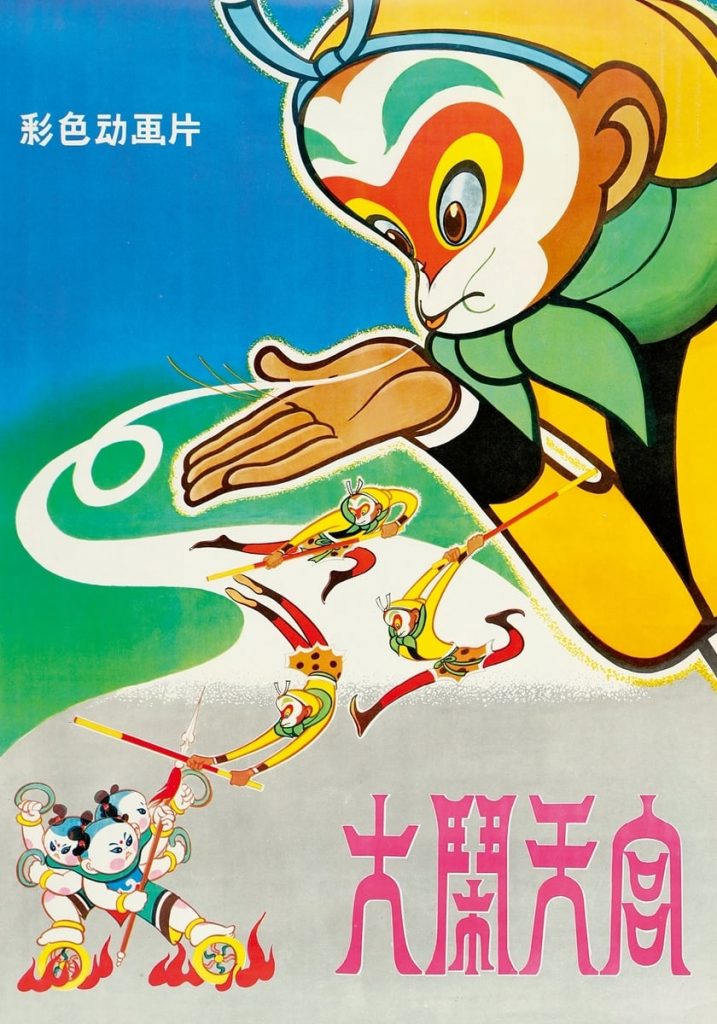
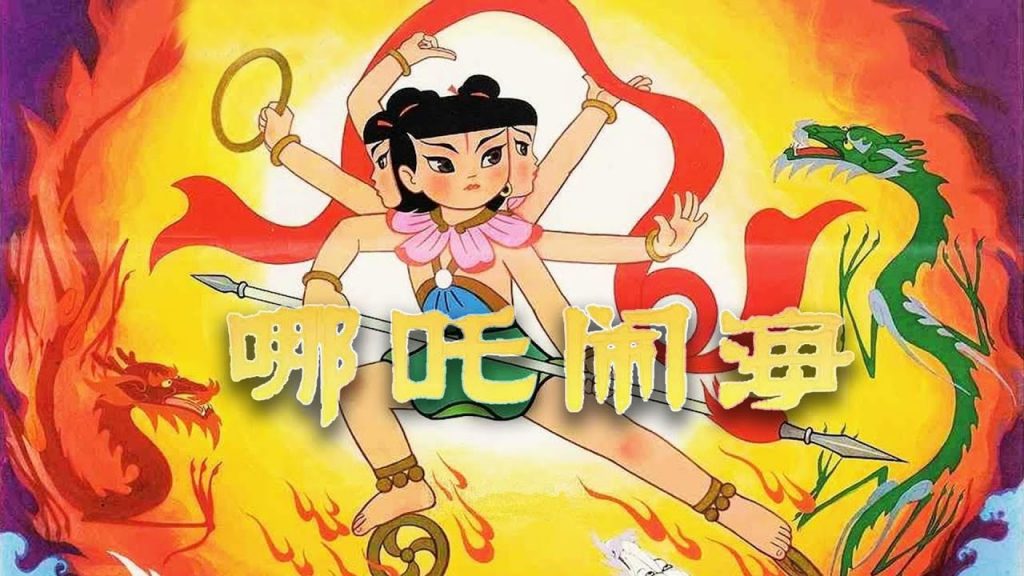
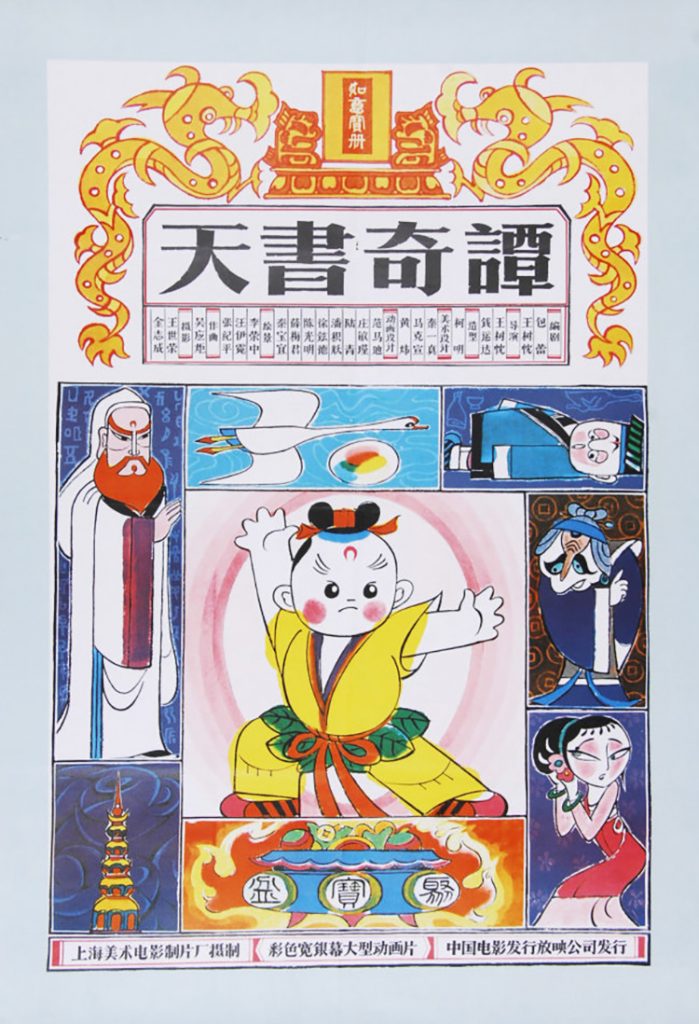
The mid-20th century marked a golden age for Chinese animation, with Havoc in Heaven (1961-1964), Nezha Conquers the Dragon King (1979), and The Legend of Sealed Book (1983) standing out as representative works. These films made significant technical advancements while embodying strong national characteristics and deep cultural meanings.
- INNOVATION IN ANIMATION TECHNIQUES
Chinese animation during this period relied heavily on traditional hand-drawn techniques. Havoc in Heaven was deeply influenced by Chinese fine-line painting and opera, creating a visually stunning and uniquely Chinese aesthetic.
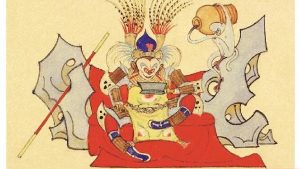
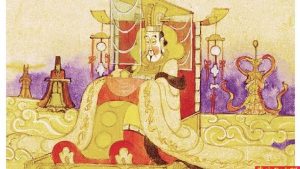
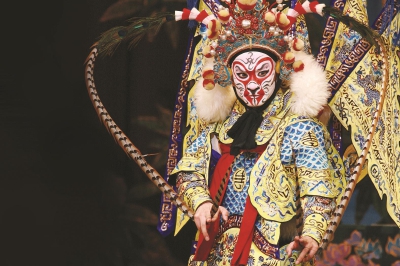
Nezha Conquers the Dragon King introduced breakthroughs in fluid animation and dynamic fight scenes, enhancing the sense of movement and action.
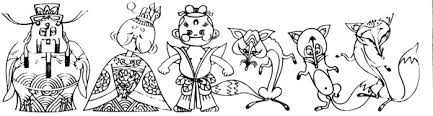
The Legend of Sealed Book experimented with exaggerated and stylized character designs, resulting in a highly imaginative visual experience.
- Themes and Genres in Early Chinese Animation
These films are primarily based on Chinese mythology and folklore. Havoc in Heaven conveys themes of rebellion and the pursuit of freedom through Sun Wukong’s defiance against authority.
Nezha Conquers the Dragon King presents a strong sense of heroism, emphasizing individual resistance against oppression.
The Legend of Sealed Book, adapted from a Ming Dynasty novel, explores the struggle between wisdom and ignorance, reinforcing the value of knowledge.
- Historical Context and the Cultural Significance of Animation—The Spirit of Resistance Against Authority
In the 1950s and 1960s, Chinese animation was supported by the state, leading to the development of a distinctive artistic style. Havoc in Heaven emerged in this context, serving not only as an animated film but also as a metaphor for challenging hierarchical structures. Sun Wukong’s struggle against oppression in the celestial palace resonates with historical narratives of resistance. Despite the limitations on free expression at the time, the film subtly conveyed a yearning for individual freedom through its artistic storytelling.
By the late 1970s and early 1980s, China had entered the Reform and Opening-up period, bringing significant ideological shifts. Nezha Conquers the Dragon King and The Legend of Sealed Book were produced against this backdrop. Nezha’s dramatic act of “returning his flesh to his father and bones to his mother” is not only a personal struggle against fate but also a symbolic rebellion against feudal family values and societal oppression. His eventual victory over the Dragon King reflects the awakening of individual power.
Meanwhile, The Legend of Sealed Book explores the value of knowledge and the dangers of authoritarian control. The antagonists in the film attempt to monopolize wisdom and suppress the people, while the protagonists fight to distribute knowledge freely, empowering the common people. This narrative aligns with real-world struggles for freedom of thought and intellectual enlightenment. The film subtly critiques the perils of ignorance and authoritarian rule, emphasizing the role of knowledge and wisdom in societal progress.
These films were not only beloved domestically but also gained international recognition. Havoc in Heaven won multiple international awards, and Nezha Conquers the Dragon King was screened at the 1980 Berlin Film Festival, marking a crucial step in introducing Chinese animation to the world. Their success established China’s presence in global animation history and laid the foundation for the future development of the industry.
- Reflections on Contemporary Chinese Animation—Progress, Challenges, and the Issue of Industry Disruption
In recent years, Chinese animation has seen a revival with works like White Snake, Ne Zha (2019), and Chinese Strange Tales (2023) showcasing advancements in CGI and storytelling. Ne Zha (2019) reinterprets classic mythology with modern themes of self-determination, resonating with younger audiences and proving the market potential of high-quality domestic animation.
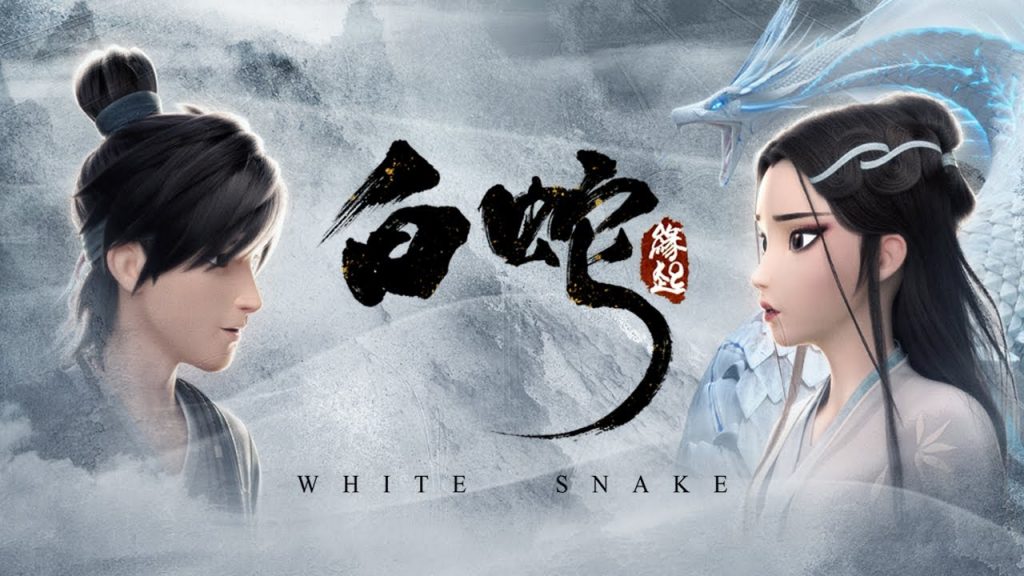
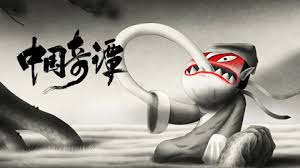
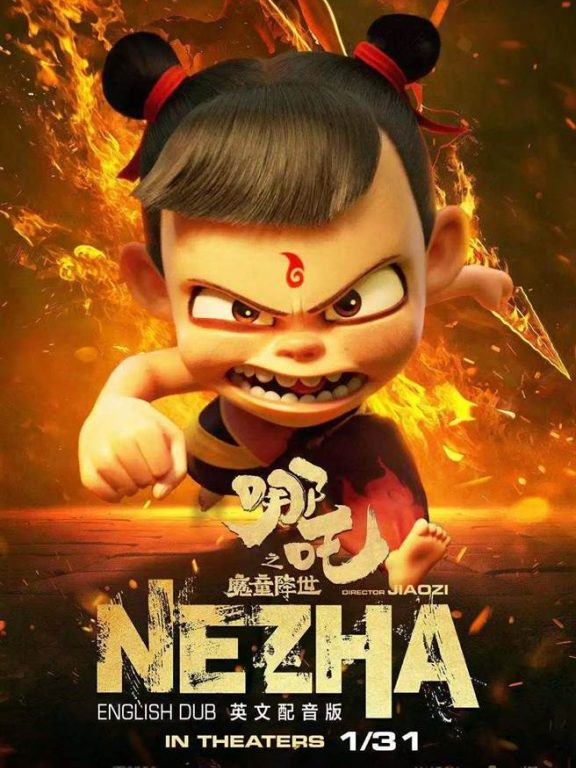
However, the industry still faces challenges, particularly the creative disruption caused by its decline in the late 20th century. After the golden age of the 1950s–1980s, economic restructuring and foreign animation dominance led to a loss of artistic depth, forcing modern Chinese animation to rebuild from scratch. While recent works excel in visuals, some struggle with originality, often borrowing Hollywood-style narratives at the expense of cultural authenticity.
On the other hand, Chinese Strange Tales signals a return to traditional aesthetics and deeper storytelling, proving that Chinese animation can thrive without Western influences. Balancing tradition and modernity will be key to its sustainable growth, ensuring both artistic innovation and market success.
- Conclusion
The early golden age of Chinese animation, represented by Havoc in Heaven, Nezha Conquers the Dragon King, and The Legend of Sealed Book, established a unique artistic identity deeply rooted in Chinese culture and mythology. These films not only showcased technical excellence but also carried strong themes of resistance against oppression and the pursuit of knowledge and freedom. However, due to economic shifts and the influx of foreign content in the late 20th century, the industry suffered a creative disruption, leading to a decline in artistic depth and originality.
In recent years, Chinese animation has made a remarkable comeback with visually stunning and commercially successful works like Ne Zha (2019) and Chinese Strange Tales (2023). While these films highlight progress in animation technology and storytelling, challenges remain in maintaining originality and cultural authenticity. The industry must continue to balance tradition and modernity, ensuring that Chinese animation does not merely imitate global trends but also retains its own artistic identity. By learning from the past and embracing innovation, Chinese animation can further establish itself as a powerful cultural force on the international stage.
Leave a Reply