Introduction
Pre-production and storyboarding are fundamental stages in both game and film pipelines, shaping narrative pacing and emotional impact. I chose to investigate this direction because I have practical experience creating storyboards for promotional videos and game opening animations. Storyboarding has always been a role I am passionate about, and I often analyse films by recording compelling shots and studying composition, camera movement, and editing rhythm. This habit has strengthened my sensitivity to visual narrative.
Industry Role Research
Storyboard Artist
Storyboard artists transform scripts into visual sequences, determining composition, shot types, pacing, and emotional beats. In the game industry, they contribute to opening cinematics, cutscenes, and narrative sequences. Industry sources often describe storyboards as “the director’s first visual draft,” establishing the foundation for all subsequent imagery.
Cinematic/Layout Artist
Cinematic or layout artists translate static storyboards into moving shots, refining camera movement, depth, and timing. They serve as a bridge between storyboard intent and final rendered scenes.
Professional Practice Investigation
My Storyboarding Experience
In my promotional video and game opening storyboard projects, I learned to break emotional arcs into visual beats, design character entrances, and plan action rhythm. These tasks gave me first-hand experience with the “camera-thinking” approach emphasised in the industry.
Habit of Analysing Film Shots
When watching films, I regularly document notable shots—focusing on composition, motion paths, pacing, and emotional transitions. This habit has been essential in training my sense of visual storytelling.
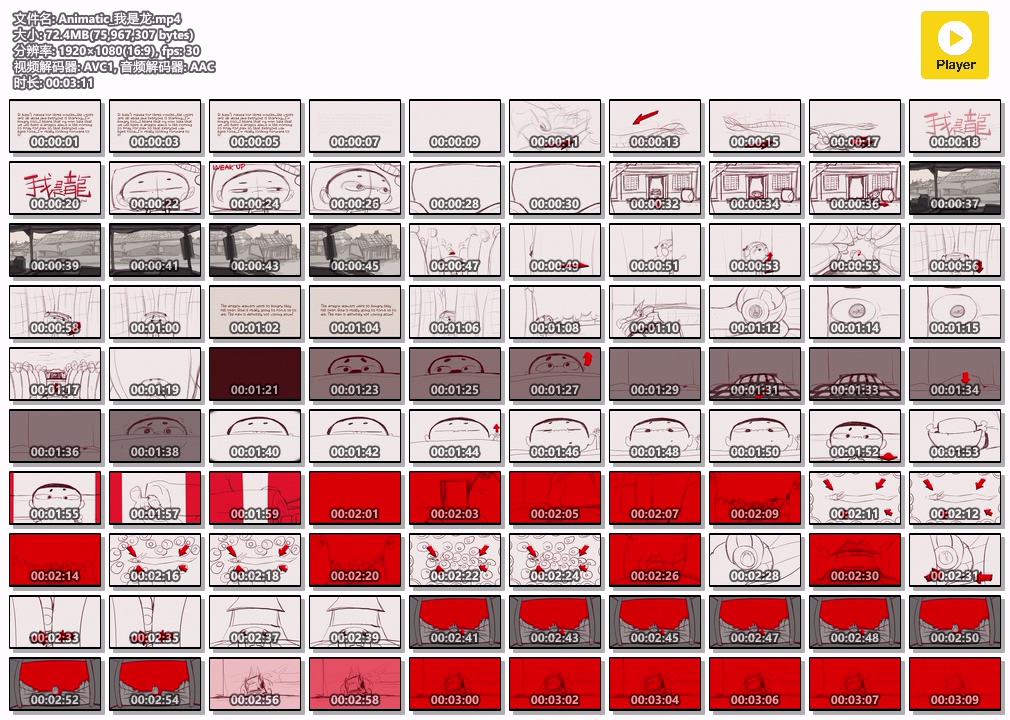
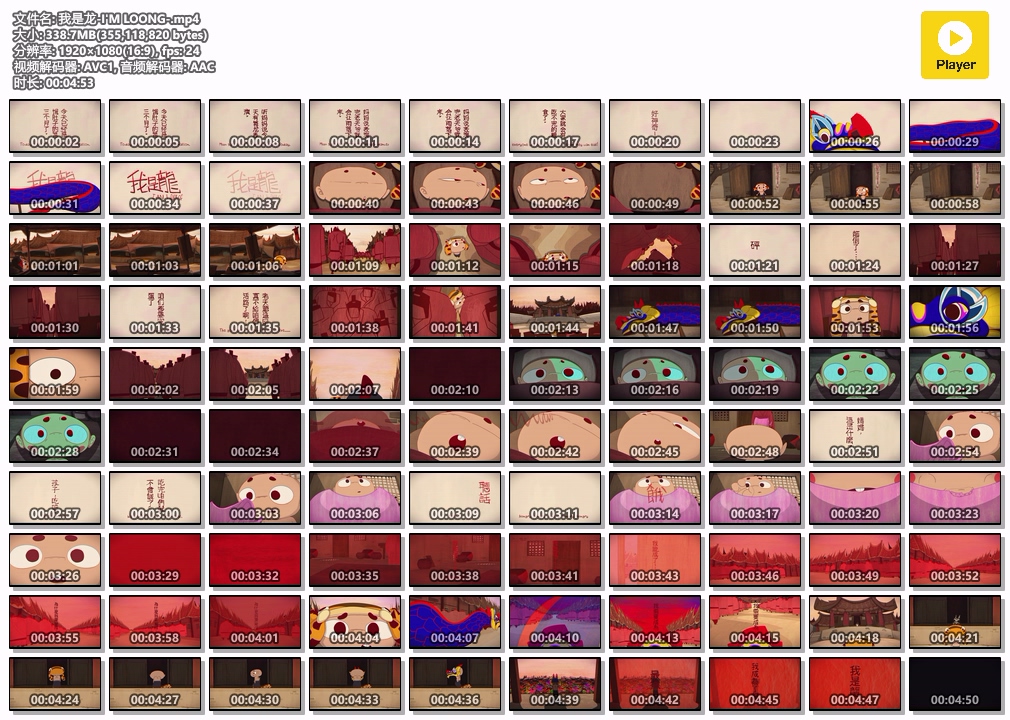
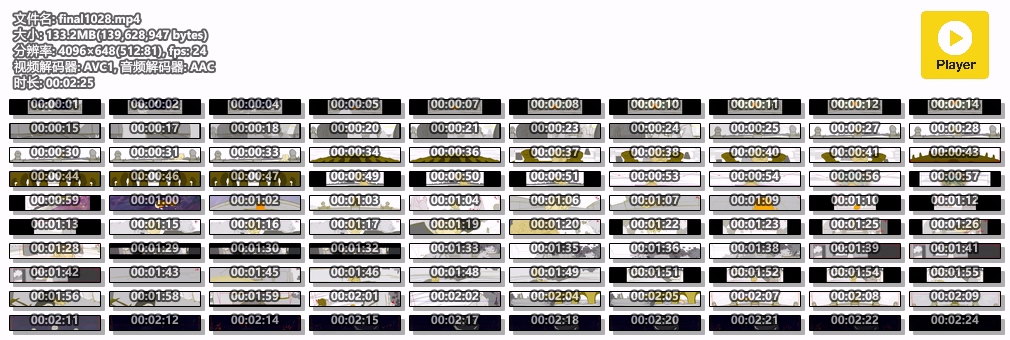
Exhibition Insight: Storyboard → Animatic → Final Scene
At an animation and film art exhibition, I observed a complete workflow showing how storyboards evolve into animatics and then final scenes. Seeing how animatics test timing and transitions, and how final shots solidify camera language, deepened my understanding of the storyboard artist’s critical role in the pipeline.
Reflection
My strengths include practical storyboard experience and strong sensitivity to shot composition. However, I still need to develop more advanced skills in dynamic layout and editing rhythm. Moving forward, I plan to create short storyboard sequences, study cinematic pipelines in depth, and curate a refined storyboard portfolio. This direction aligns well with my interests and may become a significant professional pathway for me within both the game and animation industries.
Leave a Reply