Introduction
In game development, characters are central to visual identity, storytelling, and emotional engagement. For this reason, I chose to investigate the roles of Character Designer and Character Animator. These two positions align strongly with my personal interests and play a decisive role in shaping the vitality of a game world.
Role Research: Character Design
The core responsibilities of a Character Designer include style exploration, silhouette development, model sheets, and material expression. Designers must translate narrative, personality, and cultural elements into coherent visual language.
Industry expectations emphasise solid structural drawing skills, stylistic versatility, strong aesthetic judgment, and an understanding of downstream workflows such as modelling.
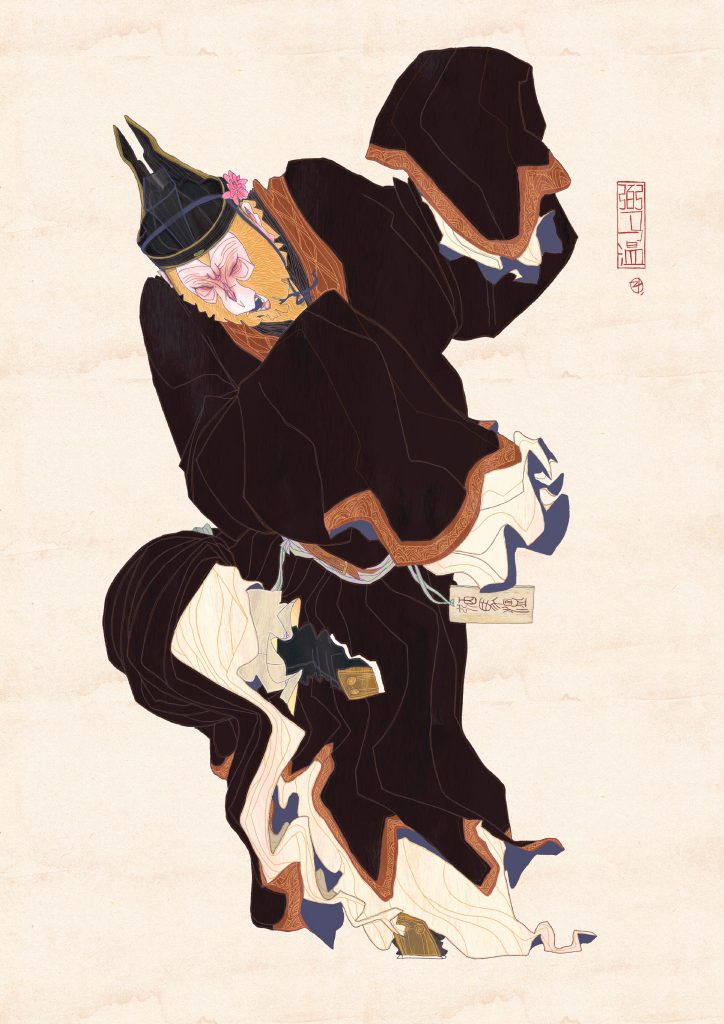
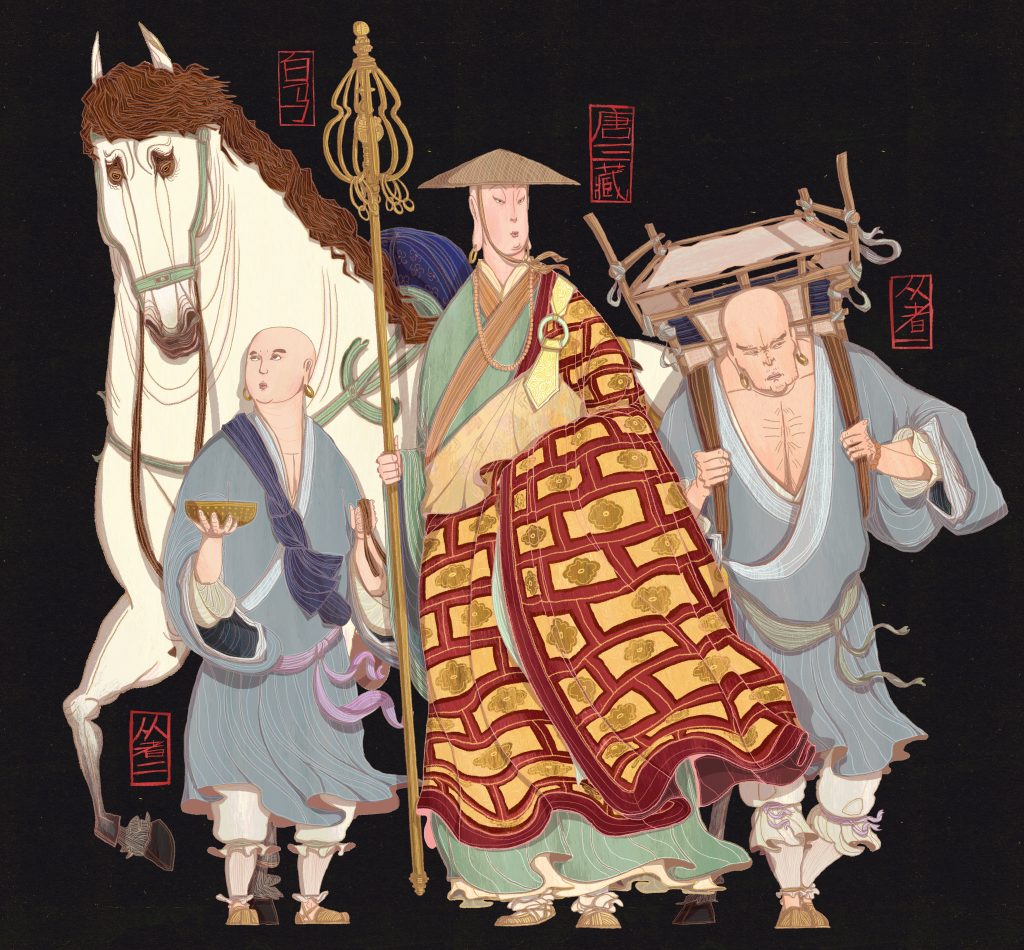
Studios like Tencent and NetEase place particular importance on character logic and cultural consistency. This aligns closely with my year-long practice of stylised Chinese character design based on Journey to the West.
Role Research: Character Animation
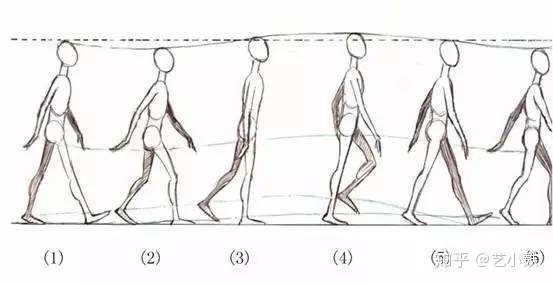
Character Animators create gameplay actions, combat moves, and cinematic performances. They must master animation principles, human motion analysis, and gameplay-related timing such as anticipation, recovery frames, and hit frames.
Industry interviews consistently emphasise that animation must support gameplay feel rather than exist purely for visual appeal.
Professional Practice Investigation
Through an interview with a senior student working at Tencent, I learned about the fast-paced collaboration between character design and animation teams. Animation revisions often occur due to gameplay adjustments or camera changes, highlighting the need for flexibility and rapid iteration within the pipeline.
Additionally, I completed a character design test for NetEase, which allowed me to experience a full professional workflow for the first time. I began by creating a moodboard that gathered references for Chinese fantasy aesthetics, costume details, materials, and cultural motifs. This helped establish the overall tone and visual direction.
I then developed three distinct silhouettes, exploring variations in strength, agility, and ceremonial presence.
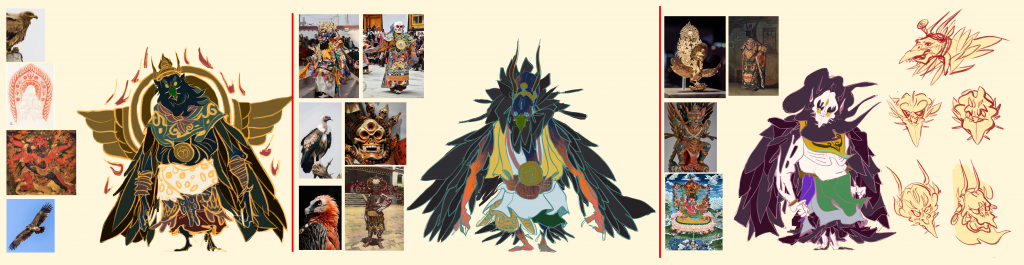
After selecting the strongest direction, I refined it into a full character line drawing, followed by multiple colour tests to determine emotional tone while staying consistent with NetEase’s stylistic preferences.
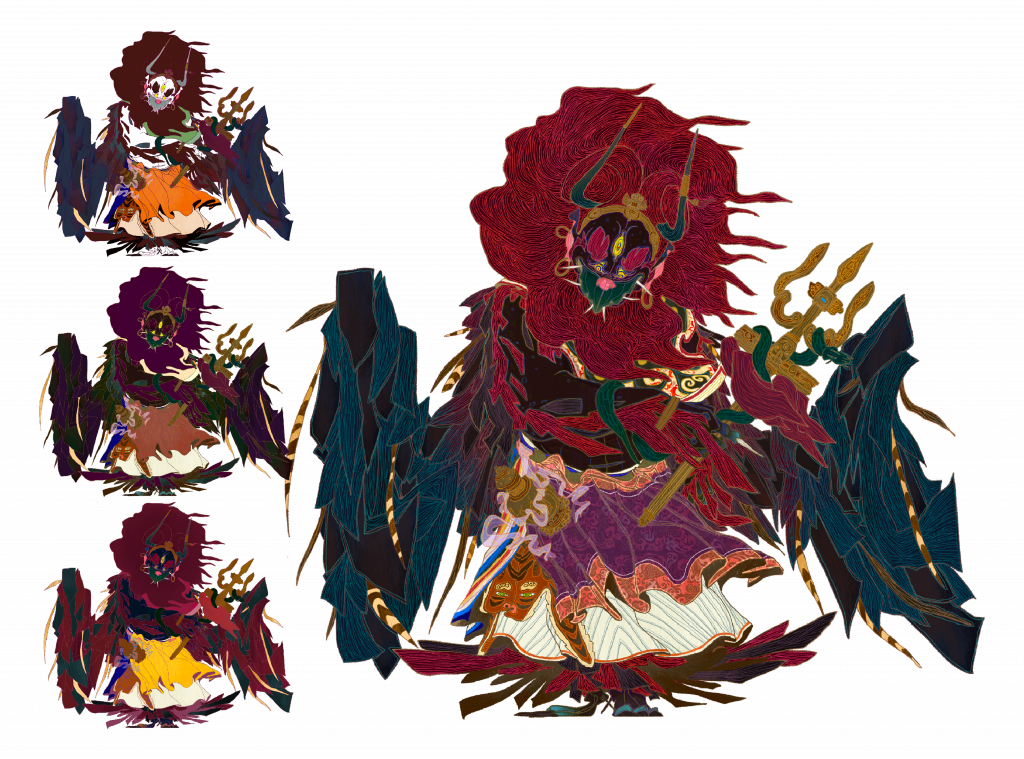
To ensure production feasibility, I produced a three-view turnaround (front, side, back) and an expressive pose to communicate personality and potential gameplay function.
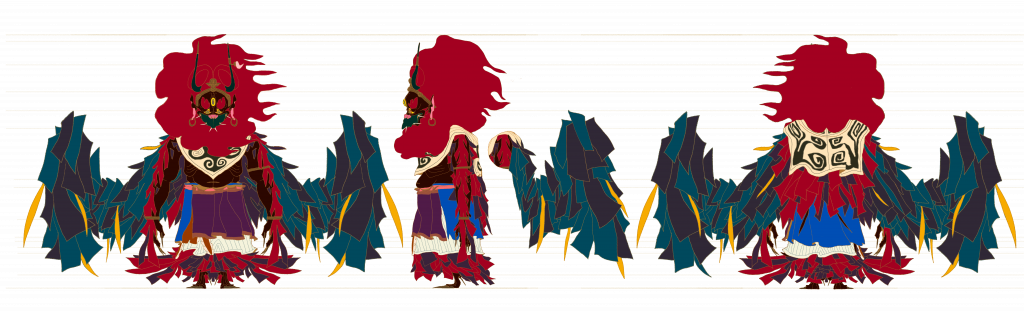
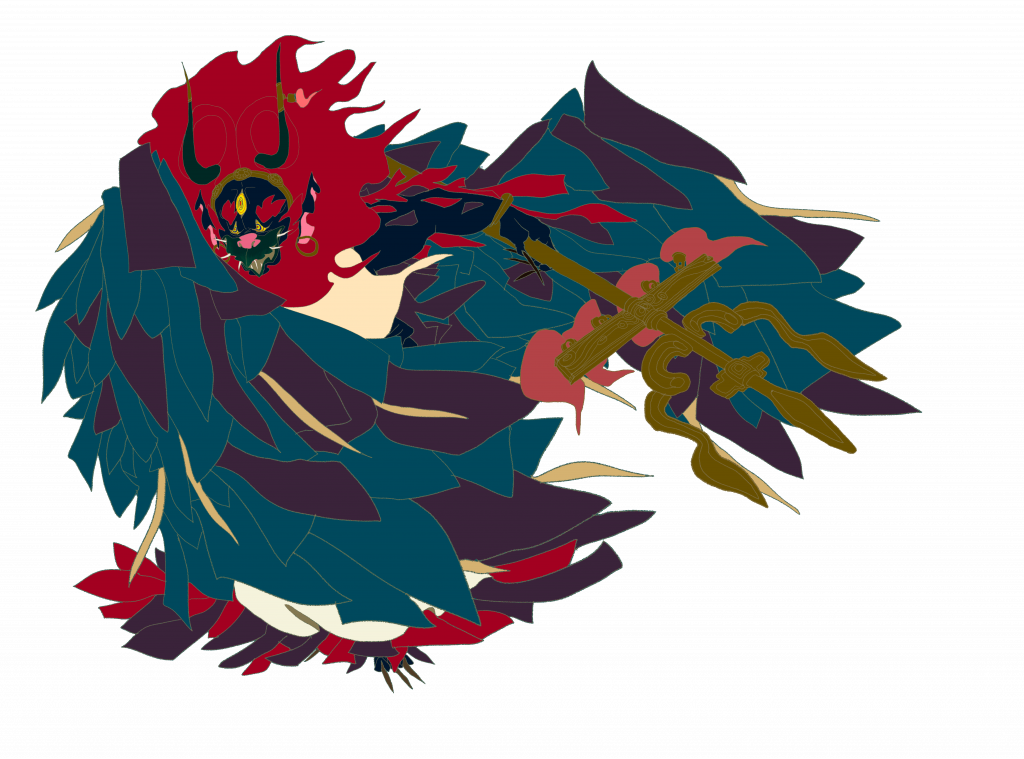
Finally, I compiled all elements into a complete character design sheet, including materials, accessories, structural notes, and cultural explanations.
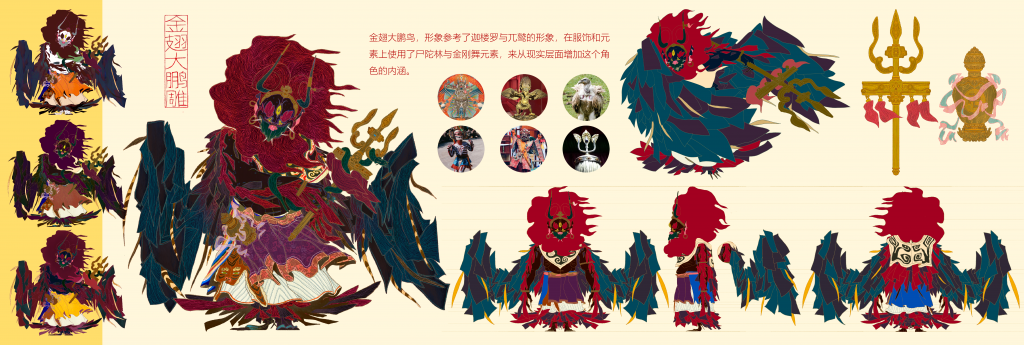
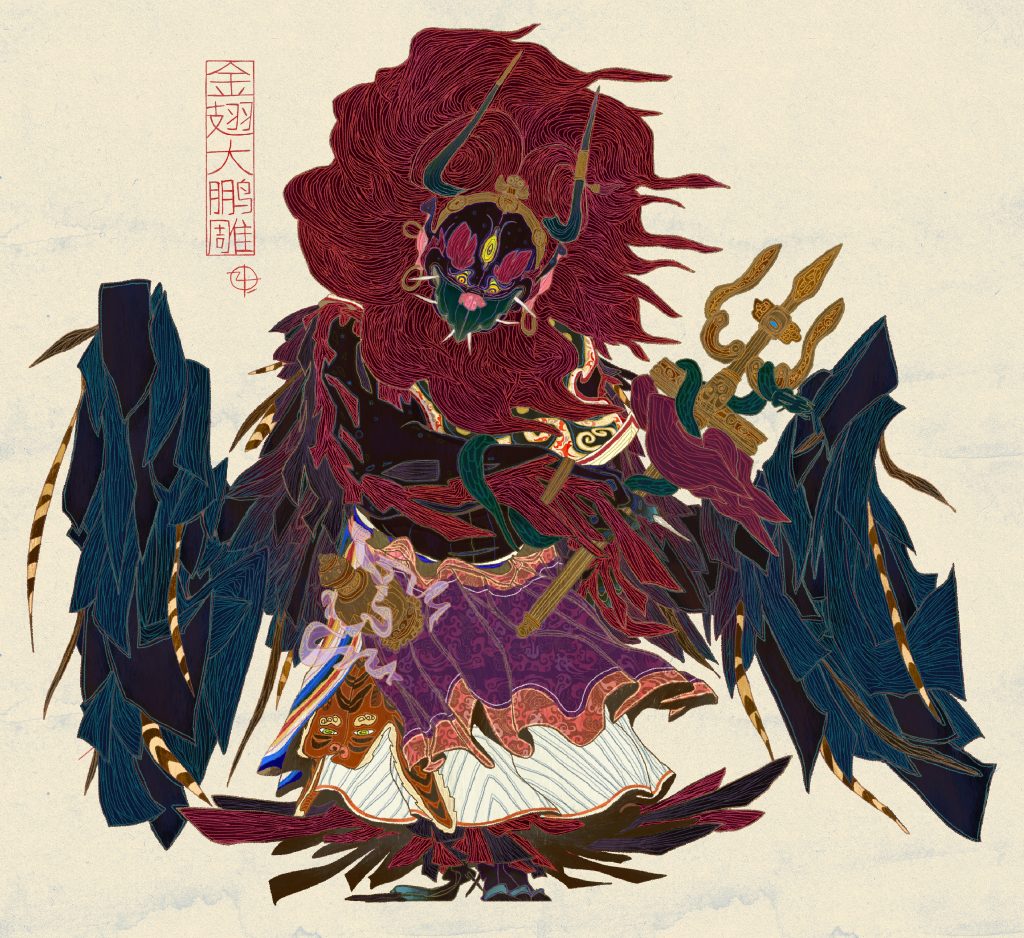
This process helped me understand the strict expectations large studios hold regarding style consistency, cultural depth, technical feasibility, and workflow efficiency.
Self-Positioning and Reflection
My strengths lie in stylised character design and Chinese cultural interpretation. However, I recognise that a strong personal style may limit my adaptability within large studio pipelines. Additionally, my knowledge of 3D modelling, rigging, and engine workflows is still developing.
Through this research, I have confirmed that Character Design remains my primary direction, while Character Animation is a potential long-term extension. To further align with industry standards, I plan to strengthen my multi-style adaptability, study 3D production more systematically, and complete more studio-style test assignments to enhance professional competence.
Leave a Reply